

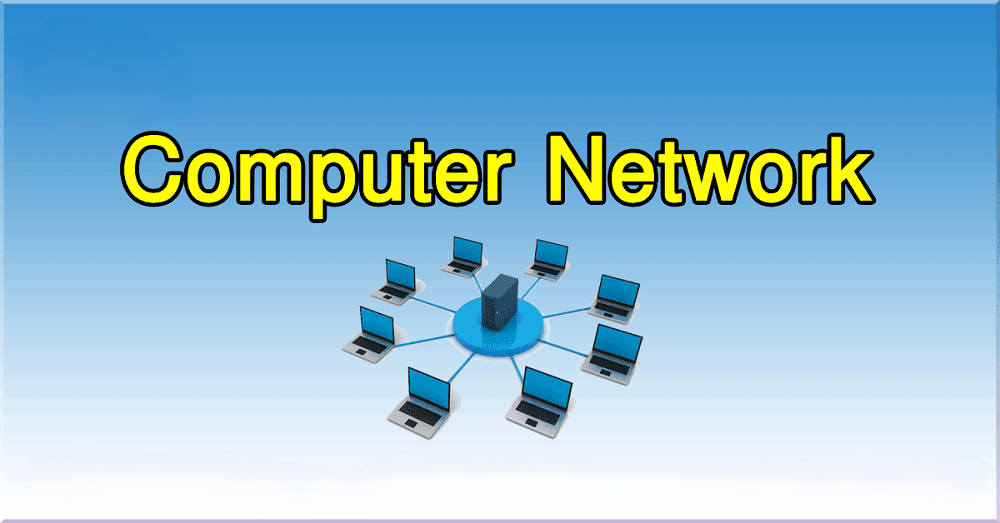
Networking in BCA is an important subject in which students learn about Computer Networking Systems in their syllabus.
Join Our WhatsApp Channel for ALL Subjects PDF Notes
📄1.) SECTION – A :
PAN (Personal Area Network) LAN (Local Area Network) MAN (Metropolitan Area Network) WAN (Wide Area Network) Peer to Peer Network & Client Server Network or Broadcast Networks ISDN Services (Integrated Services Digital Network) Switching Techniques like Circuit Switching or Message Switching or Packet Switching Network Topologies – Bus Topology | Ring Topology | Star Topology |Tree Topology | Mesh Topology | Hybrid Topology | Unguided Transmission Media and Guided Transmission Media | RadioWaves Transmission | Microwave Transmission Multiplexing in computer network | FDM frequency division multiplexing | WDM wave division multiplexing Different layers of OSI reference model (Open System Interconnection) | TCP IP reference model (transmission control protocol internet protocol) Physical layer | data link layer | network layer | transport layer | section layer | presentation layer | application layer | 7 Layers of OSI model Layers in TCP IP model | internet layer | transport layer | application layer | host to network layer | Difference between OSI model and TCP IP model | Explain the functions of different layers of OSI Reference model and TCP IP reference model | Draw and describe various layers of TCP IP model | how is it different from OSI reference model |
📄2.) SECTION – B :
Major design issues of data link layer | Explain framing and its importance in data link layer explain various framing methods and technique | Character count | starting and ending characters with character stuffing | starting and ending flags with bit stuffing | physical layer coding violation | Explain CRC Code in Error detection with suitable example and Hamming Code for error correction with example | Cyclic Redundancy Check | Explain hamming code with example for error detection and error correction | Redundancy Parity Bits | Explain data link protocols for Noisy and noiseless channels | Simple Protocol | stop and wait protocol | Stop and wait ARQ | Go Back N ARQ | Selective Repeat ARQ |
📄3.) SECTION – C :
Explain Shortest Path Routing and its importance in determining optimal routes for data transmission with example. Explain IP address | explain different or various IP addressed classes | Class A Addresses | Class B Addresses | Class C Addresses | Class D Addresses | Class E Addresses | Explain the role of this components in the computer network | Hub | Bridge | Repeater | Modem | Switch | Explain Congestion. What are the factors that lead to congestion in a network .Explain the principles of congestion control. What are Congestion Prevention Policies. Explain the working of a Token Bucket and Leaky Bucket Algorithms with examples. bucket with a hole | data packet arrival | DATA packet Departure | smooth out of bursty traffic | Token bucket algorithm | working of a token bucket algorithm | Token Generation | Data Packet Transmission | Rata Limiting | Burst handling |
📄4.) SECTION – D :
Write a short note on the remote login | Write a short note on www world wide web | Components of www Write a short note on FTP file transfer protocols | Write a short note on DNS . explain types and functions of DNS servers | Types of DNS server- Root DNS servers | Top Level Domain Servers TLD | Authoritative DNA servers | Recursive DNS servers | Explain the architecture and services of electronic mail email system. User Agent UA , Message Transfer Agent MTA , Mailbox( mail delivery agent ) , Spool File | Write a short note on SMTP ( Simple Mail Transfer Protocol ) | Write a short note on MIME ( Multipurpose Internet Mail Extension ) | Write a short note on POP3 . Explain its role in email Retrieval . How does POP work to download email messages from a server to local client device. POP ( Post Office Protocol )